Essential Guide to Fence and Deck Installation, Repair, and Pressure Washing
11/5/20254 min read


Understanding Fence Installation and Repair
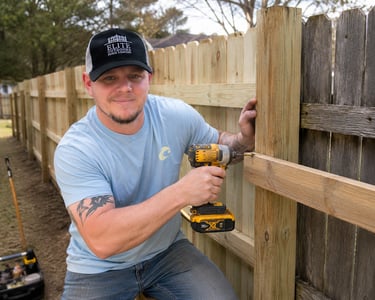
Fence installation represents a crucial aspect of property enhancement, serving both functional and aesthetic purposes. When embarking on fence installation, it is imperative to consider various factors, including material selection, layout design, and adherence to local regulations. Each of these elements plays a significant role in ensuring that the fence not only meets the desired aesthetic but also functions effectively in terms of security and privacy.
There are several types of fences to choose from, each with its own unique advantages and disadvantages. For instance, wooden fences are often favored for their natural look, but they require regular maintenance to prevent decay and insect infestation. On the other hand, vinyl fences offer a long-lasting and low-maintenance alternative, although they may not provide the same classic charm as wood. Chain-link fences, meanwhile, are cost-effective and durable but may not provide the level of privacy that some homeowners seek. Understanding the distinct qualities of these types of fences can aid in making informed decisions based on personal preferences and property requirements.
In addition to the initial installation, fence repair services are vital for maintaining the integrity of existing fences. Common repair techniques include replacing damaged panels, tightening loose posts, and addressing rust issues on metal fences. Homeowners may also consider DIY fence repair options, which can save costs if they have the necessary skills and tools. Nevertheless, some repairs may be more complex and require professional assistance. Preventative measures, such as regular inspections and timely maintenance, can significantly extend the lifespan of any fence. By understanding the fundamentals of fence installation and repair, property owners can ensure their fencing solutions remain effective and visually appealing for years to come.
Deck Installation and Repair Essentials
Deck installation requires careful planning and execution to ensure a durable and aesthetically pleasing outdoor space. A well-constructed deck not only enhances the value of a property but also contributes to the overall enjoyment of outdoor areas. A comprehensive deck installation guide is crucial for those looking to embark on this project. First, selecting the right materials is vital. Wood, composite, and PVC are popular choices, each offering unique benefits. For instance, while natural wood provides a classic look, maintaining a wooden deck can demand higher upkeep due to weathering and decay. On the other hand, the benefits of composite decking include reduced maintenance, resistance to pests, and long-lasting durability.
The installation process begins with site preparation. This includes clearing the area of debris, leveling the ground, and ensuring that the location adheres to any local building codes. Next, appropriate foundation considerations must be addressed. This may involve pouring concrete footers or using deck blocks for stability. Once the foundation is established, it is time to construct the frame, installing beams and joists that form the skeletal structure of the deck.
After the framework is in place, the installation of flooring materials comes next. It's essential to secure boards tightly and ensure proper spacing to allow for expansion and contraction. The finishing touches, such as railings and lighting, can enhance both safety and aesthetic appeal.
In terms of deck maintenance, repairs can be necessary over time due to issues like rotting, warping, or loose boards. Effective deck repair methods include replacing damaged boards, using sealants to protect wood from moisture, and regularly inspecting the structure for stability. Addressing these common problems promptly will extend the lifespan of the deck, ensuring it remains both functional and attractive for years to come.
The Importance of Pressure Washing for Maintenance
Pressure washing is a crucial aspect of maintaining outdoor structures such as fences and decks. One of the key pressure washing benefits is its ability to effectively remove dirt, mildew, mold, and other harmful contaminants that can accumulate over time. These elements not only detract from the visual appeal of your outdoor spaces but can also lead to long-term damage if left untreated. Regular pressure washing can significantly enhance the appearance of these surfaces and extend their lifespan.
When considering how to pressure wash a fence or deck, it is essential to understand the appropriate frequency for maintenance. Typically, it is recommended to pressure wash these structures at least once a year, though more frequent cleaning may be necessary in regions prone to heavy pollen or humidity. Additionally, areas that experience high levels of foot traffic may require more regular attention. By following these guidelines, homeowners can ensure that their outdoor surfaces remain in good condition.
To achieve the best results in pressure washing deck surfaces, specific techniques must be employed. It is advisable to start with a lower pressure setting to avoid damaging the wood or other materials. As a safety measure, wearing protective eyewear and ensuring that any electrical components are safeguarded is crucial during the cleaning process.
Moreover, there is a growing interest in eco-friendly pressure washing methods that minimize the environmental impact of this maintenance practice. Utilizing biodegradable detergents and ensuring proper water runoff can contribute to more sustainable cleaning practices. By prioritizing eco-friendly methods, homeowners not only maintain their outdoor structures but also protect the surrounding ecosystem.
Choosing the Right Professionals for Your Project
When embarking on a fence or deck project, selecting the right professionals is crucial. The first step in this process involves verifying the credentials of potential contractors. Homeowners should look for licensed and experienced fence installation contractors or deck repair specialists who possess a solid reputation in the community. Credentials not only indicate qualifications but also affirm that professionals have met industry standards.
Reading online reviews and testimonials can provide valuable insights into a contractor's work quality and customer service. Websites like Yelp and Angie’s List are excellent resources for gathering feedback from previous clients. By paying careful attention to positive and negative reviews, homeowners can form a judgment on the reliability of the contractor. Furthermore, asking for references and following up with past clients can clarify expectations and experiences.
Obtaining multiple quotes is critical in ensuring competitive pricing for your project. Contact at least three different contractors to gauge their pricing approach and services offered. This process allows homeowners to assess the average cost of the project and helps in identifying the best professionals for deck and fence installations. However, the lowest bid should not be the sole deciding factor; consider the scope of work included and the contractor's proven track record.
Additionally, ensuring that contractors are adequately insured is paramount. This protects homeowners from any liability should an accident occur during installation or repair. Once a contractor is chosen, clear communication regarding project specifications, timelines, and budgets is essential. Establishing these parameters before work begins will help manage expectations and keep the project on track, ultimately leading to a successful outcome.