Georgia Fence Installation And Repair

Professional Fence Installation in Floyd County, Georgia: Your Trusted Guide to Quality Residential Fencing
4/12/20268 min read
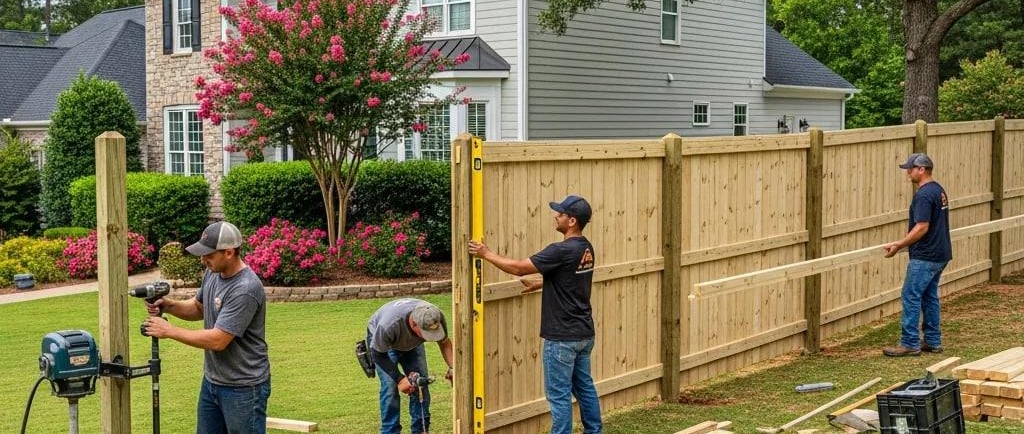
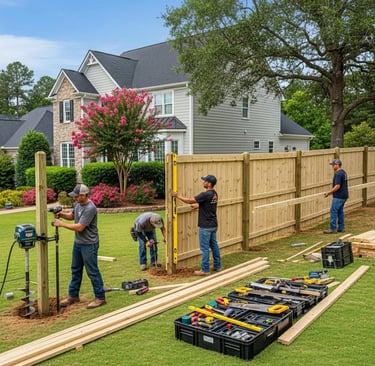
Understanding the Importance of Fencing in Floyd County
Fencing plays a critical role in enhancing residential properties in Floyd County, Georgia, serving multiple purposes that are vital for homeowners. One of the most significant benefits of installing a fence is the increase in security it provides. A well-constructed fence acts as a barrier, deterring potential intruders and making it more challenging for unauthorized individuals to access the property. This measure not only safeguards personal belongings but also fosters a greater sense of safety for families, especially those with children or pets.
In addition to security, fencing is essential for clearly defining property boundaries. Many homeowners in Floyd County may find it beneficial to erect a fence that marks the limits of their land. This not only helps prevent disputes with neighbors but also ensures that the property owners are aware of their legal rights and responsibilities. Understanding where one property ends and another begins is particularly important in a community setting, where overlapping interests can lead to misunderstandings.
Another significant reason for fencing installation is the added privacy it offers. In a suburban environment, fences provide a secluded area where families can enjoy outdoor activities without the prying eyes of neighbors. For many, this personal space is invaluable, allowing them to engage in leisure activities, host gatherings, or simply relax without external distractions.
Beyond its functional benefits, a fence can greatly enhance the aesthetic appeal of a home. With various materials and styles available, residential fencing can complement the overall look of the property, thereby increasing its market value. Homeowners in Floyd County are encouraged to choose fencing options that reflect their personal taste while also considering the local environmental factors that may affect durability and maintenance.
Types of Fencing Materials Available
When considering professional fence installation in Floyd County, Georgia, homeowners have several fencing material options to choose from, each offering unique benefits and considerations. The most common types include wood, vinyl, metal, and chain link fencing.
Wood fencing is a classic choice known for its aesthetic appeal and versatility. It can be customized in various styles and finishes to suit different architectural designs. However, wood requires regular maintenance, such as staining or painting, to prevent decay and insect damage. Its lifespan typically ranges from 10 to 15 years, depending on the wood type and maintenance practices.
Vinyl fencing has gained popularity due to its durability and low-maintenance requirements. Unlike wood, vinyl does not need painting or staining, and it is resistant to rot and pest damage. While the initial cost of vinyl fencing can be higher than that of wood, its longevity, often exceeding 20 years, can make it a cost-effective choice in the long run.
Metal fencing, which includes aluminum and wrought iron options, offers strength and security. Aluminum is lightweight, resistant to rust, and often used for decorative purposes, while wrought iron is renowned for its durability and traditional elegance. However, both types may come with higher installation costs compared to other materials. Furthermore, metal fencing may require periodic maintenance to prevent rust or corrosion.
Chain link fencing is a practical option, particularly for those looking for a low-cost and functional solution. It provides moderate security and visibility, making it ideal for enclosing pets or marking property boundaries. However, it may not be as visually appealing as other fencing types.
In selecting a fencing material, it is crucial to consider Floyd County's climate and any local regulations that may affect material options. For instance, areas prone to moisture may require materials with better water resistance. As such, understanding these factors can help homeowners make informed decisions that enhance their property while maintaining compliance with local laws.
Choosing the Right Fence for Your Property
Selecting the right fence for your property involves several considerations that cater to both aesthetic preferences and functional requirements. Initially, it is essential to assess your property requirements. Determine the primary purpose of the fence: is it for privacy, security, decoration, or to contain pets? This evaluation will greatly influence the type of material and design you will choose.
Next, understanding local zoning laws and homeowners association (HOA) regulations is crucial. Each municipality may have specific rules regarding fencing heights, materials, and design styles to maintain community aesthetics. Engaging with local authorities or your HOA can provide invaluable insights into what is permissible, allowing you to avoid potential penalties.
The choice of material also plays a pivotal role in the longevity and maintenance of your fence. Common materials include wood, vinyl, chain link, and metal. Each has its unique characteristics; for instance, wooden fences are renowned for their beauty but may require more maintenance compared to vinyl fences, which are often more durable and resistant to weather conditions. Considering the lifespan of these materials can also help in making a prudent investment, ensuring that your fence remains functional and appealing for years to come.
Moreover, the importance of consulting with a professional fence installer cannot be overstated. Their expertise can provide personalized guidance based on your property’s specific characteristics, and they can help to navigate the complexities of installation—ensuring that your fence adheres to all local regulations and is optimized for your needs. A professional installer will also help you assess potential challenges such as uneven terrain or proximity to utility lines, ensuring that you achieve the best possible outcome for your fencing project.
The Fence Installation Process Explained
Understanding the fence installation process is crucial for homeowners in Floyd County, Georgia, as it ensures a smooth experience from start to finish. The first step in the process is planning and design. During this phase, homeowners should consider their specific needs, styles, and budget. It is also advisable to research local regulations regarding fence heights and materials, as adherence to these guidelines is imperative for compliance and possible future maintenance.
Once the design is finalized, the next stage involves obtaining necessary permits. Many jurisdictions in Floyd County require permits for fence installation to ensure that the construction meets local safety and zoning regulations. It is essential to apply for these permits before commencing with the project to avoid any potential fines or the need for modifications later.
After securing the permits, the next phase is site preparation. This includes marking the layout of the fence and determining where posts will be placed. Homeowners often need to clear any obstructions in the proposed fence line to ensure unobstructed access for installers. It might be advisable to consult with utility companies to avoid damaging underground lines.
The physical installation begins once everything is in place. Professional installers typically start by digging post holes, which should be deep enough to provide stable support. After the posts are installed, the panels or boards are added. Proper installation practices, such as ensuring the fence is level and secure, play a vital role in the longevity and effectiveness of the fence. Additionally, homeowners should consider weatherproofing options to enhance durability.
Finally, after installation, routine maintenance is necessary to preserve the integrity and appearance of the fence, ensuring it remains a valuable addition to the property for years to come.
Common Mistakes to Avoid During Fence Installation
When embarking on a fence installation project, homeowners often overlook critical factors that can complicate the process and lead to unsatisfactory results. One of the most significant pitfalls is improper planning. Fencing projects require thoughtful consideration of not only the desired design and materials but also the budget, timeline, and aesthetic integration with the surrounding landscape. A clear and well-organized plan helps to minimize unexpected costs and delays.
Another frequent mistake is neglecting to check property lines. Installing a fence without verifying boundaries can lead to disputes with neighbors and potential legal complications. It is essential for homeowners to conduct a thorough review of property documents or hire a surveyor to ensure that the fence is within their property limits. This proactive approach not only protects homeowners from future conflicts but also ensures compliance with any local regulations.
Ignoring local building codes is yet another common oversight. Each municipality in Floyd County may have different requirements regarding fence height, materials, and setback regulations. Homeowners should contact their local authorities or check official websites to ensure their fencing project adheres to the specific building codes. Failure to do so can result in fines or the unenviable task of removing or modifying the fence post-installation.
Lastly, choosing the right contractor is crucial for a successful fence installation. Homeowners should take the time to research potential contractors, checking reviews and requesting testimonials to ensure they select a reliable professional. Engaging a qualified contractor not only guarantees high-quality workmanship but also helps to mitigate risks associated with improper installation. By avoiding these common mistakes, homeowners can facilitate a smooth, efficient, and successful fencing project.
Evaluating and Hiring a Professional Fence Installer
When it comes to installing a fence for your home in Floyd County, Georgia, selecting a professional fence installer is crucial for ensuring quality and durability. The first step in evaluating a fence installation company is to consider their experience in the industry. A company with several years of practice is likely to have encountered a variety of challenges and developed effective solutions. This experience can translate into a more streamlined installation process, minimizing potential issues.
Additionally, customer reviews are a valuable resource for assessing a contractor's reliability and quality of work. Websites like Google, Yelp, or specialized home improvement platforms can provide insights into previous clients' experiences. Look for installers who consistently receive positive feedback regarding their workmanship, professionalism, and timeliness. A company with a strong reputation in the community is often a safe bet for quality fence installation.
Licensing and insurance are also critical factors to consider when choosing a fence installer. Verify that the company holds the necessary licenses required by the state of Georgia and carries insurance to protect both their workers and your property. This step not only ensures compliance with local regulations but also provides peace of mind, knowing that you're covered in case of any accidents or damages during the project.
Conducting thorough interviews with potential contractors can further aid in your decision-making process. Prepare a list of questions to gauge their knowledge and expertise, including inquiries about the materials they recommend, their installation process, and how they handle unexpected challenges. Finally, obtaining multiple estimates allows you to compare prices and services, ensuring you choose a contractor that fits your budget without compromising quality. By following these guidelines, you can confidently select a reputable professional fence installer in Floyd County, ensuring your residential fencing project is a success.
Maintenance Tips for Your New Fence
Proper maintenance is key to ensuring the longevity and aesthetic appeal of your newly installed fence in Floyd County, Georgia. Whether your fence is made of wood, vinyl, or metal, implementing a regular maintenance routine can significantly prolong its lifespan and retain its value.
First and foremost, regular cleaning is essential. For wooden fences, use a mixture of water and mild soap to remove dirt and mold that can accumulate over time. A pressure washer can effectively clean vinyl and metal fences, but take caution to use an appropriate setting to avoid damage. It is advisable to clean your fence at least once a year, but more frequent checks may be necessary in regions with heavy rainfall or humidity.
Next, it is critical to repair any damage promptly. Inspect your fence for signs of wear and tear, such as loose boards, rust spots, or broken panels. For wooden fences, watch out for rotting or insect infestations. Addressing these issues early can prevent more extensive damage and costly repairs later on. Applying a fresh coat of stain or paint can also help to protect the material and improve its appearance.
Seasonal considerations are another important factor in fence maintenance. In winter, ensure snow or ice does not accumulate on your fence, which can lead to warping or sagging. In the fall, keep leaves and debris clear from the base of the fence to avoid moisture retention. Additionally, applying a protective finish or sealant can help shield the fence from harsh weather conditions.
Finally, scheduling regular inspections, ideally at the change of seasons, allows homeowners to proactively manage maintenance needs. By taking these practical steps, you can protect your investment and keep your property looking attractive throughout the years.