Georgia Fence Installation And Repair
Top 5 Fence options for Georgia Homes
Explore the top five fence options for Georgia homes: wood, vinyl, chain link, aluminum, and farm fencing. Learn about their benefits, maintenance needs, durability, and best uses to make the right choice for your property, budget, and lifestyle.
6/29/20267 min read
Introduction to Fencing Options in Georgia
When considering fencing options for homes in Georgia, it is essential to understand the various materials available, each with its unique advantages and characteristics. The decision on which fence to install heavily relies on critical factors, including the region's climate, aesthetic preferences, and specific security needs. In Georgia, the diverse weather conditions, from hot summers to occasional storms, necessitate careful selection of fencing materials that can withstand such elements while maintaining their structural integrity over time.
Furthermore, the aesthetic appeal of a home often influences homeowners' choices in fence materials. Different fence types can enhance the property's overall look and contribute to the architecture of the house and its surrounding landscape. For instance, wooden fences can offer a classic and natural vibe, while vinyl options provide a more modern, low-maintenance alternative. As such, evaluating how a fence aligns with personal style and neighborhood aesthetics is crucial.
Security is another fundamental consideration in the fencing selection process. Homeowners often prefer fences that provide a sense of safety and privacy while being durable against potential intruders. The right type of fence should strike a balance between creating a visual barrier and ensuring easy access points for necessary entry and exit.
As we delve deeper into the five premier fencing materials suitable for Georgia homes, this post will highlight their specific benefits, guiding homeowners in making informed decisions. An informed choice could lead to enhanced property value, improved safety, and a striking visual impact, making it essential to weigh all available options carefully.
Wood Fencing: Classic Charm with Versatility
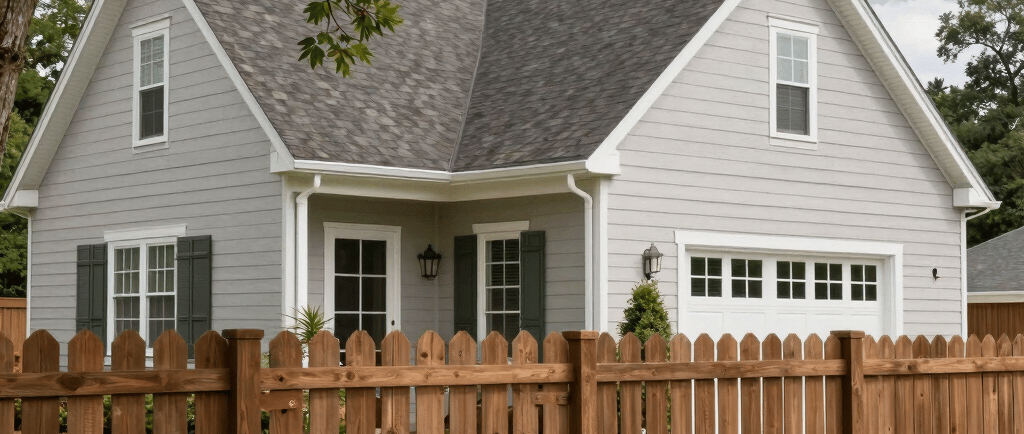
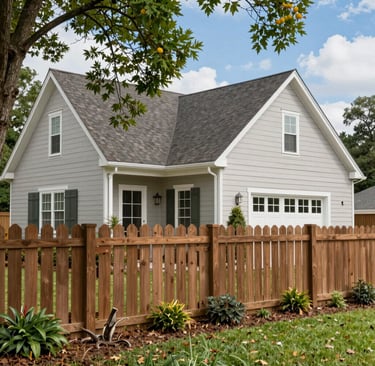
Wood fencing has long been a preferred choice for homeowners in Georgia, combining natural beauty with remarkable versatility. Its timeless appeal complements a variety of architectural styles, making it a popular choice for those looking to enhance the aesthetic value of their properties. Wood fences can be constructed in numerous designs, from traditional picket styles to more modern privacy fences, allowing homeowners to fully customize their outdoor spaces.
Among the types of wood suitable for fencing in Georgia, cedar and pine stand out due to their durability and resistance to the local climate. Cedar is particularly favored for its natural resistance to rot and insects, making it an excellent option for the humid conditions prevalent in many areas of Georgia. Pine, while more affordable, can also be treated to withstand the elements, offering a cost-effective solution without significant compromise on longevity. Each of these wood types provides distinct characteristics, enabling homeowners to select the most appropriate material based on their individual needs and preferences.
Maintenance of wood fences is an essential consideration for homeowners. Periodic treatment with wood preservatives can extend the lifespan of a wood fence and maintain its aesthetic appeal. While untreated wood might last approximately 5 to 10 years, well-maintained fences can endure much longer, often exceeding 20 years. Regular inspections for signs of rot, insect damage, or structural deterioration should be conducted to ensure the fence remains in optimal condition.
In addition to their practical benefits, wood fences contribute significantly to the overall atmosphere of a property. Their warm tones and textures create a welcoming environment and can enhance landscaping efforts. Whether for creating a rustic feel or a more polished look, wood fencing offers a timeless solution that blends seamlessly with Georgia's natural surroundings.
Vinyl Fencing: Durability and Low Maintenance
Vinyl fencing has gained immense popularity among homeowners in Georgia, particularly due to its impressive durability and minimal maintenance requirements. Unlike traditional wood fencing, which can warp, rot, or succumb to insect infestations, vinyl is engineered to withstand the rigors of Georgia's humid climate. This material is crafted from high-quality PVC, making it resistant to both moisture and decay. Homeowners can enjoy the peace of mind that comes from knowing their fence will maintain its structural integrity even during the hot, wet summers characteristic of the region.
Another advantage of vinyl fencing is its resistance to fading and discoloration. Many rival fencing materials can lose their color due to prolonged exposure to sunlight, but vinyl is designed to withstand UV rays without significant degradation. This characteristic ensures that the fence maintains its attractive appearance over the years, making it a wise investment for Georgia homeowners seeking longevity and beauty in their fencing solutions.
In addition to its durable performance, vinyl fencing comes in a variety of styles and colors, allowing it to complement a wide range of home exteriors. Whether looking for a classic white picket fence or a modern privacy fence, homeowners have an array of options to choose from. This versatility not only enhances curb appeal but also allows for personalized expression without compromising functionality. Homeowners can find a design that aligns with their aesthetic vision while enjoying the enduring qualities that vinyl provides.
Metal Fencing: Security and Longevity
Metal fencing, including options like aluminum and wrought iron, stands out as a preferred choice for homeowners in Georgia primarily due to its unparalleled security and durability. This fencing type is not only robust but also provides a level of protection that surpasses many alternative materials. When considering safety, metal fencing acts as a robust deterrent against intruders. Its solid structure offers an effective barrier, which is crucial for safeguarding properties in higher-risk areas.
In terms of weather resilience, metal fencing proves its worth amidst Georgia's distinct climate challenges. The state’s humidity can lead to quicker deterioration in some fencing materials; however, metal, particularly when galvanized or coated for additional protection, withstands these elements without succumbing to rust or rot. Wrought iron, with its inherent strength and resistance to the effects of weather, can last for decades with minimal maintenance. Aluminum, known for its lightweight nature, also resists corrosion effectively, making it ideal for homes near coastal areas prone to salt exposure.
Aesthetic flexibility is another significant advantage of metal fencing. Available in various styles, colors, and finishes, it can be customized to complement any landscape or architectural design. Homeowners can choose from ornate wrought iron styles that offer timeless elegance to sleek, modern aluminum options, providing versatility without compromising security. This adaptability further enhances the appeal of metal fencing, allowing homeowners to find a solution that fits both their functional and decorative needs.
In conclusion, for those seeking a durable, secure, and aesthetically versatile fencing option, metal fences deliver on all fronts. Their strength against external threats, combined with their longevity and design options, makes them an excellent investment for Georgia homeowners.
5. Chain Link Fencing: Affordability and Functionality
Chain link fencing is a popular option for homeowners in Georgia, valued primarily for its affordability and practical functionality. This type of fencing is constructed from interlocking steel wire, creating a diamond-shaped pattern that serves both to delineate property boundaries and to keep pets and children secure within designated areas. One of the most significant advantages of chain link fencing is its cost-effectiveness; it is typically less expensive than other fencing alternatives such as wood or vinyl, making it an attractive choice for budget-conscious homeowners.
In addition to its affordability, chain link fencing provides a level of transparency that allows homeowners to maintain sight lines. This characteristic is particularly beneficial in urban areas where visibility can contribute to a sense of safety and openness. Furthermore, the galvanized steel used in the construction of chain link fences is resistant to rust and corrosion, which is crucial for homes in Georgia’s humid climate. Maintenance is minimal, often requiring just occasional cleaning and inspections to ensure the structure remains secure and functional.
Chain link fences are also versatile; they can be used for various applications. Commonly, they are employed to enclose backyards, providing a safe space for pets to play while still allowing for air circulation and light. Additionally, they are often installed around playgrounds, public parks, or commercial properties to secure boundaries without obstructing the view. For homeowners seeking a practical solution that balances cost and effectiveness, chain link fencing presents a reliable option perfect for the needs of many Georgia residences.
Composite Fencing: Eco-Friendly and Innovative
Composite fencing has emerged as a popular choice for homeowners in Georgia who seek a sustainable and low-maintenance alternative to traditional wood fencing. Made from a blend of recycled materials, primarily wood fibers and high-quality plastic resins, composite fences are designed not only to provide aesthetic appeal but also to contribute to environmental sustainability. This innovative technology utilizes post-consumer materials, thereby reducing the amount of waste that would otherwise end up in landfills.
One of the most significant advantages of composite fencing is its exceptional durability. Unlike traditional wood, composite materials are engineered to withstand the rigors of varying weather conditions characteristic of Georgia, including heavy rains, intense heat, and humidity. This level of resilience ensures that homeowners can enjoy their fencing without the worry of warping, rotting, or insect damage that often plagues wooden fences. Consequently, composite fencing typically requires less maintenance, making it an excellent choice for busy individuals or those who prefer a hassle-free outdoor space.
In addition to its durability, composite fencing cleverly mimics the natural aesthetics of wood, satisfying the visual preferences of homeowners who appreciate the warmth of traditional fencing styles. The material is available in an array of colors and finishes, allowing homeowners to select options that harmonize with their exterior decor while avoiding the drawbacks of constant staining or painting associated with real wood.
Moreover, composite fencing plays a critical role in energy conservation. By adopting eco-friendly materials that promote sustainable practices, homeowners can contribute to reducing their environmental footprint. This innovative approach does not only enhance property value but also reflects a modern viewpoint toward sustainability without compromising on style or effectiveness.
Conclusion: Choosing the Right Fence Material for Your Home
After exploring various fencing materials suitable for Georgia homes, it is essential to acknowledge the distinct benefits and characteristics each option presents. Homeowners are often faced with a multitude of choices, ranging from wood and vinyl to aluminum and wrought iron. Each material offers unique advantages that cater to different preferences and requirements.
Wood fencing is favored for its natural aesthetic and versatility, making it an excellent choice for those seeking a classic look. However, it demands regular maintenance to preserve its integrity against Georgia's humid climate. On the other hand, vinyl fencing presents a low-maintenance solution that does not compromise on aesthetics. It is durable and resistant to fading, but it can be slightly more expensive upfront.
Aluminum offers a lightweight and rust-resistant alternative, ideal for properties with a modern architectural style. Moreover, it typically requires minimal maintenance, providing long-lasting strength crucial for against environmental elements. Wrought iron fencing stands out for its elegance and security, making it a popular choice for homeowners focused on enhancing curb appeal and fortifying their property. However, it may involve higher installation costs and labor.
When selecting the most suitable fence material, homeowners in Georgia should consider factors such as climate resilience, aesthetic alignment with their home, maintenance commitments, and budget constraints. It is important to weigh these considerations carefully to determine which fencing solution aligns best with personal preferences and functional requirements. Ultimately, the choice of fence material plays a significant role in enhancing property value, ensuring privacy, and defining the overall aesthetics of your home.